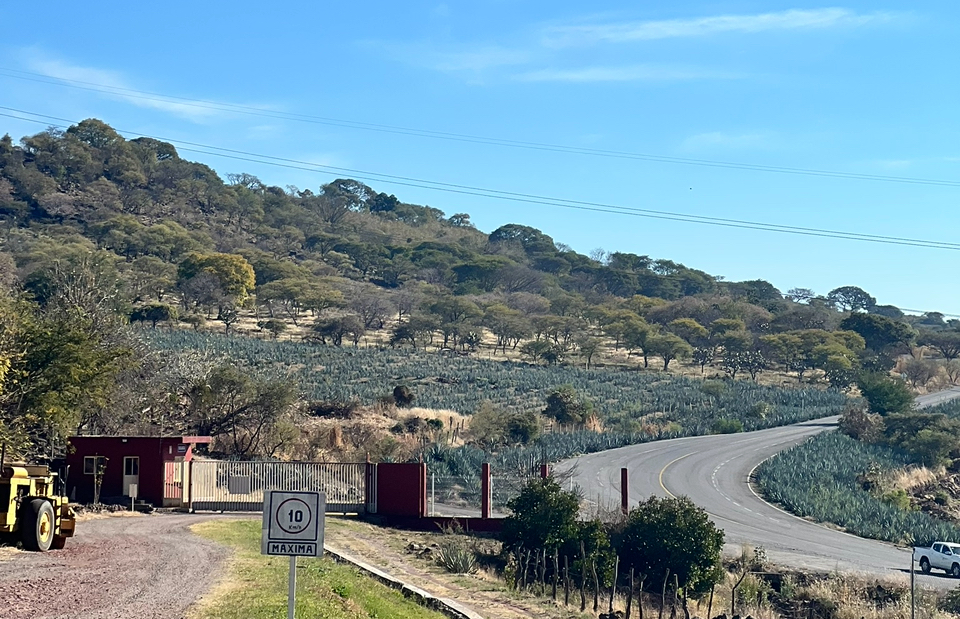
If you are heading to Jalisco and not visiting a tequila distillery, you are missing the heart of Mexico’s most iconic spirit. Jalisco is the birthplace of tequila and home to volcanic soils, rolling agave fields, and centuries of craftsmanship. As someone who has worked in the industry for over 4 years, I’ve been to Guadalajara a handful of times and have learned a few tips and tricks!
The town of Tequila is a real place located about 90 minutes from Guadalajara. It is part of the Ruta del Tequila, a designated UNESCO World Heritage area that includes towns like Amatitán and El Arenal. Large producers like Jose Cuervo and Sauza have grand haciendas (estates) in Tequila, while smaller, family-run distilleries are scattered throughout the region. Prior to entering the town, there are beautiful fields of agave which you can visit and within the town of Tequila, there is a picturesque town-square which is great for exploring. If your tour does not include lunch or dinner, this is a great area to find lunch or dinner.

For anyone planning to go, before you book your visit, here are the essentials to know:
Book Distillery Tours in Advance
Popular distilleries such as Casa Herradura and Jose Cuervo offer elaborate tours that include agave harvesting demonstrations, barrel tastings, and even train rides through the countryside. These experiences fill up quickly, especially between December and April. My favorite distilleries that host tours are Fortaleza and Cascahuin which are both known for high-quality tequila (additive-free as well). As they are both smaller producers, they often limit groups to under ten people. Booking early guarantees access and allows you to plan around more immersive options.
Choose Tours That Include the Agave Fields
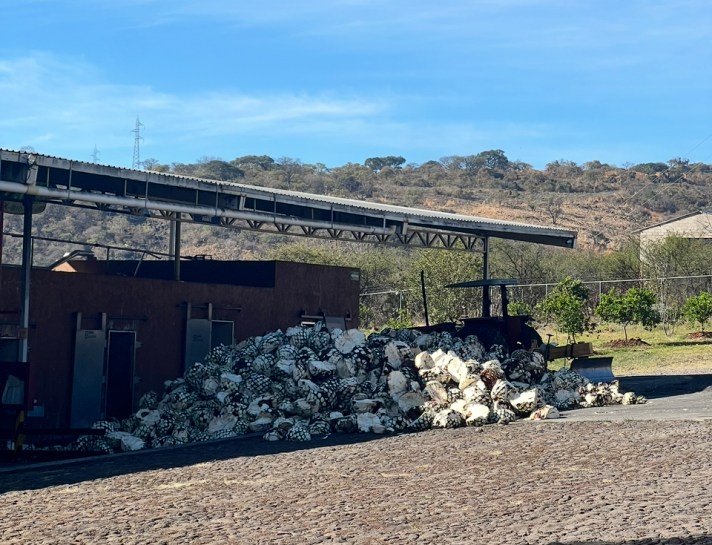
Not all distillery tours include time in the agave fields, but the best ones do. Seeing the agave harvested by skilled jimadores with a coa de jima tool gives you a real appreciation for the labor involved. Ask whether your tour includes field time, traditional ovens, fermentation tanks, or the tahona—a volcanic stone used to crush agave. These are the details that reveal the difference between mass production and artisanal methods.
Tasting Tequila Is Not the Same as Taking Shots
Forget the lime and salt, pleeeeease. While it’s tempting to chase your tequila, proper tequila tasting is more like wine tasting. You will be walked through different expressions such as blanco, reposado, and añejo. Each has distinct aromas and flavors, from fresh agave and citrus to vanilla and baking spices. Come with a clean palate and avoid chewing gum or wearing perfume. Sip slowly and do not be afraid to ask questions. Some distilleries even offer tequila directo, which is high-proof and unfiltered straight from the still. If the tequila is too strong for you and you do need a chaser, locals like to chase with verdita which is a fresh green juice that is sipped together with tequila.
Visit During the Dry Season
The best time to visit Jalisco for tequila tours is during the dry season, which runs from November to May. Roads are easier to navigate, and outdoor field visits are more comfortable. The rainy season from June to September makes everything muddy and can make travel slower. Additionally, based on personal experience, I know that many distilleries are not producing (or are running a minimal capacity) during these months as the weather creates a lower yield. Because of this, you may not be able to see production in action during this period. Plan accordingly if you want to explore more remote or boutique distilleries.
What to Pack and What to Skip
Wear comfortable walking shoes, especially if your tour includes fields or distillery walk-throughs. It would be ideal if these shoes were closed-toe as it can get muddy or slippery. If your tour includes a trip to the agave field, bring sunscreen, a hat, and bottled water. You will be outside under the sun for extended periods. Leave the heavy cologne and flip-flops at home. Most distilleries also have gift shops that sell rare/limited run bottles you cannot find internationally, so consider packing light to leave room in your luggage. If anyone is interested in a list of distillery-exclusive tequilas, let me know and I’ll post one.
Final Thoughts
Visiting a tequila distillery in Jalisco is one of the most rewarding ways to connect with Mexican culture. I loved walking through the fields, seeing the ovens, smelling the fermenting agave, and tasting tequila at each point of production. Whether you are a spirits enthusiast or just tequila curious, this is an experience worth planning for and doing right.

 moussetaco